Welcome @ Helmholtz Program ESD -
Designing the Energy System of the Future.
Our future energy supply should be carbon neutral, affordable, and socially sustainable. With our “Energy System Design” program, we aim to lead the way and make a significant contribution to the transition to a sustainable global energy system.
NEWS

The EERA Joint Programme Energy Storage invites PhD students and stakeholders to join a PhD Day on "Prospective Sustainability Assessment of Energy Storage Technologies – Methods and Case Studies". The event offers a platform to present and discuss research on life cycle assessment, techno-economic analysis, system integration, hybrid storage solutions, optimization approaches, and innovative energy storage business models.
Registration and Call for Abstracts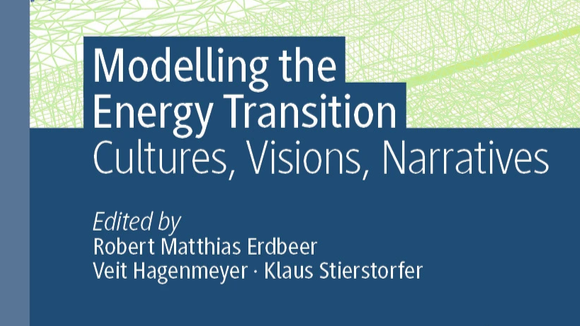
With more than 63,000 downloads, the open-access book "Modelling the Energy Transition – Cultures, Visions, Narratives" is the most downloaded Palgrave Macmillan / Springer Nature Open Access title published this year. The multidisciplinary volume explores how energy models shape transition pathways and how assumptions, narratives, and societal perspectives influence visions of future energy systems.
Download @SpringerNature
How can Europe achieve climate neutrality while strengthening resilience and competitiveness? A new study by ESD researchers at Jülich Systems Analysis explores pathways for Europe’s energy transition and was presented by Prof. Jochen Linßen at the European symposium “Squaring the Circle: The Future of the EU Energy System – Net-Zero, Resilient & Competitive?” in Brussels. The event brought together representatives from European institutions, research organizations, and industry to discuss key challenges and opportunities for Europe’s energy future.
Learn more
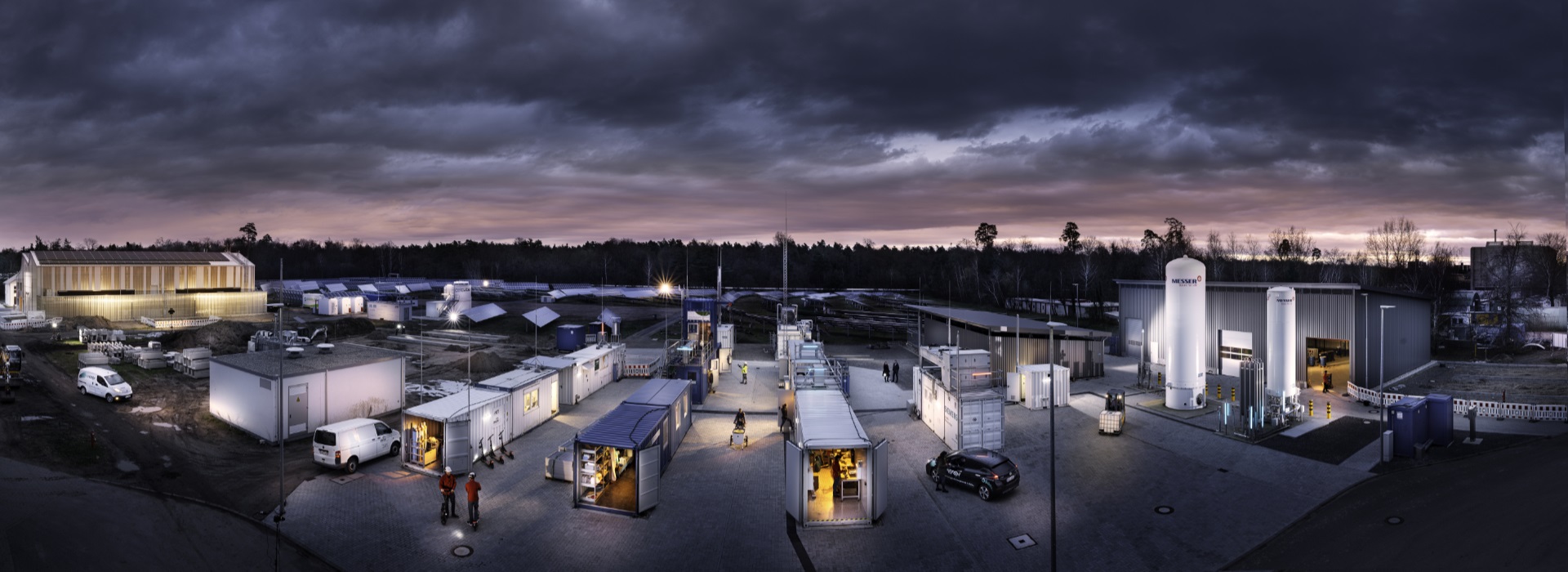
KIT is expanding the Energy Lab – Europe’s leading research infrastructure for renewable energy systems – with a sodium-ion battery storage system. Researchers will investigate this emerging energy storage technology under realistic operating conditions, further strengthening KIT’s research into safe, sustainable, and high-performance storage technologies for tomorrow’s energy supply.
Learn more
Paving the way for tomorrow’s solutions: This is the motivation of scientists from all nine state universities in Baden-Württemberg, who are working toward a future in which fossil raw materials and energy sources are increasingly replaced by sustainable alternatives. At the state press conference held on July 21, 2026 in Stuttgart, the universities presented a list of 99 research projects for a post-fossil future. KIT makes an important contribution, also with projects from our ESD program.
Learn more
Iron could become a chemical energy storage medium for making large amounts of renewable energy available over the long term. In a CO₂-neutral cycle, iron powder is combusted and then regenerated using energy. Researchers at KIT have shown that while iron will not replace hydrogen, it could serve as a valuable complement in a climate-neutral energy system.
Learn more